Category: Global politics || Posted Jul 28, 2026
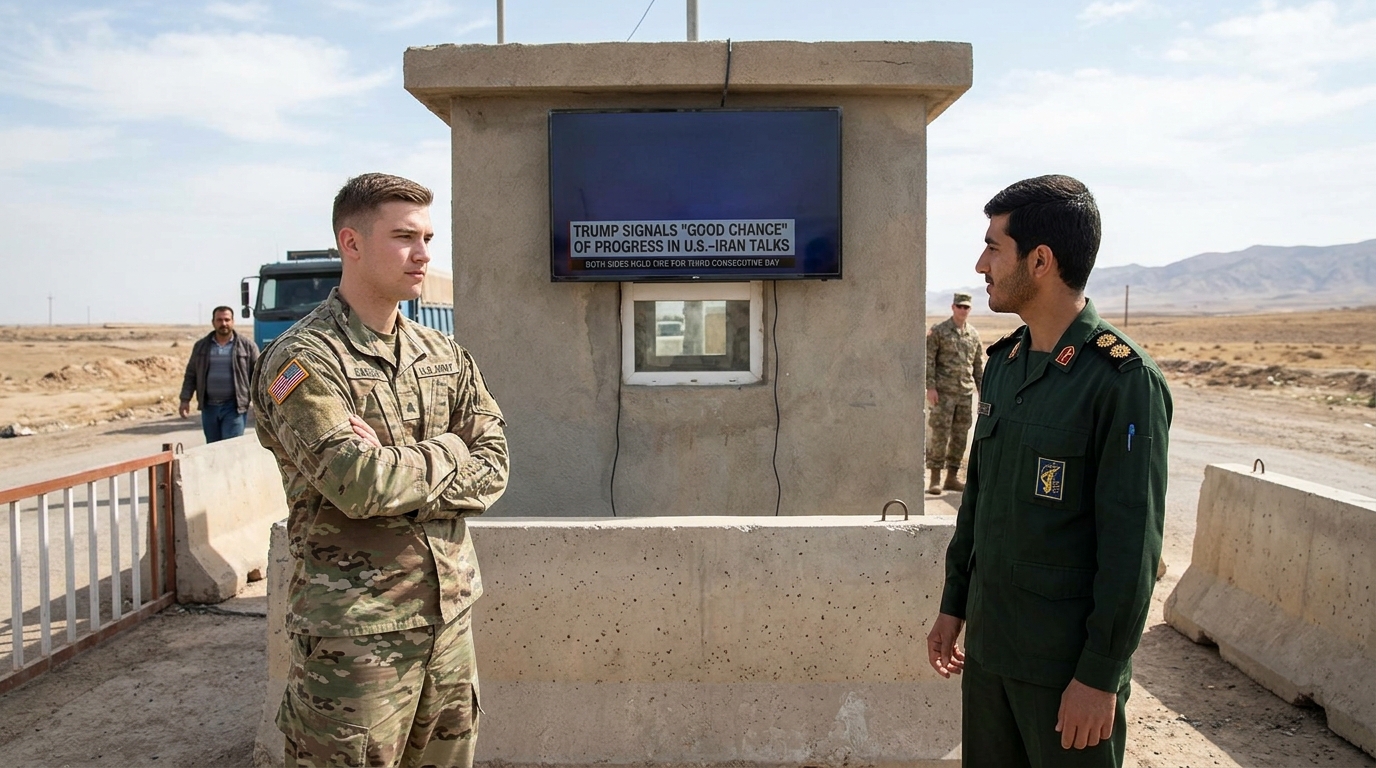
Trump Signals 'Good Chance' of Progress in U.S.–Iran Talks as Both Sides Hold Fire for Third Consecutive Day
U.S.–Iran Military Operations Pause for Third Day as Washington Signals Diplomatic Potential
Direct military actions between the United States and Iran remained on hold for a third consecutive day, marking a lull following 13 nights of renewed U.S. air strikes. U.S. President Donald Trump expressed optimism regarding potential diplomatic progress, while Iranian officials clarified that current communications remain limited to third-party messaging rather than direct bilateral negotiations.
Key Developments
- Three-Day Lull: Direct U.S. airstrikes and Iranian military responses have held fire since July 24, 2026.
- U.S. Executive Statements: President Trump stated aboard Air Force One that there is a "good chance" for a diplomatic breakthrough, while emphasizing that military operations could resume if discussions stall.
- Iranian Diplomatic Stance: Tehran confirmed receipt of messages via regional mediators but stated that no direct U.S.–Iran negotiations are taking place.
- Market Response: Global crude oil prices fell by approximately 1% as market participants evaluated the pause in military actions.
Diplomatic Positioning and Official Statements
Speaking to reporters aboard Air Force One, President Trump addressed the status of tensions with Iran, noting that Washington is evaluating diplomatic channels while maintaining operational readiness. "I have a lot of patience... We'll see what happens," Trump said, adding, "I think there is a good chance that something could happen." During subsequent remarks in Michigan, Trump reiterated that communications regarding a potential agreement were active.
Trump affirmed that if diplomatic efforts fail to yield an agreement, the U.S. is prepared to resume strike operations, while dismissing concerns regarding ammunition inventory levels.
In response to questions regarding formal talks, Iranian Foreign Ministry spokesman Esmaeil Baqaei clarified Tehran’s official position. Baqaei stated that while third-party mediators continue to convey messages between Washington and Tehran, no direct negotiations are currently underway between representatives of the two nations.
Regional Maritime Security and Market Impact
The operational pause follows weeks of heightened tension centered on commercial shipping routes through the Strait of Hormuz, a key international conduit for global petroleum shipments.
While direct military strikes are paused, Iran has held parallel discussions with neighboring Oman regarding operational mechanisms and principles for shipping oversight in the waterway. Foreign Ministry spokesman Baqaei stated that these talks are focused on regional maritime management and do not involve Washington.
Energy markets reacted to the lull in military actions. Brent crude futures declined 0.6% to $87.82 per barrel, while U.S. West Texas Intermediate (WTI) dropped 0.8% to $81.95 per barrel as traders assessed prospects for normalized energy flows across the region.
U.S. Central Command (CENTCOM) confirmed that the U.S. naval posture in the Gulf region remains active, with maritime enforcement operations continuing along commercial transit routes.