Category: Opinion & Analysis || Posted Jul 18, 2026
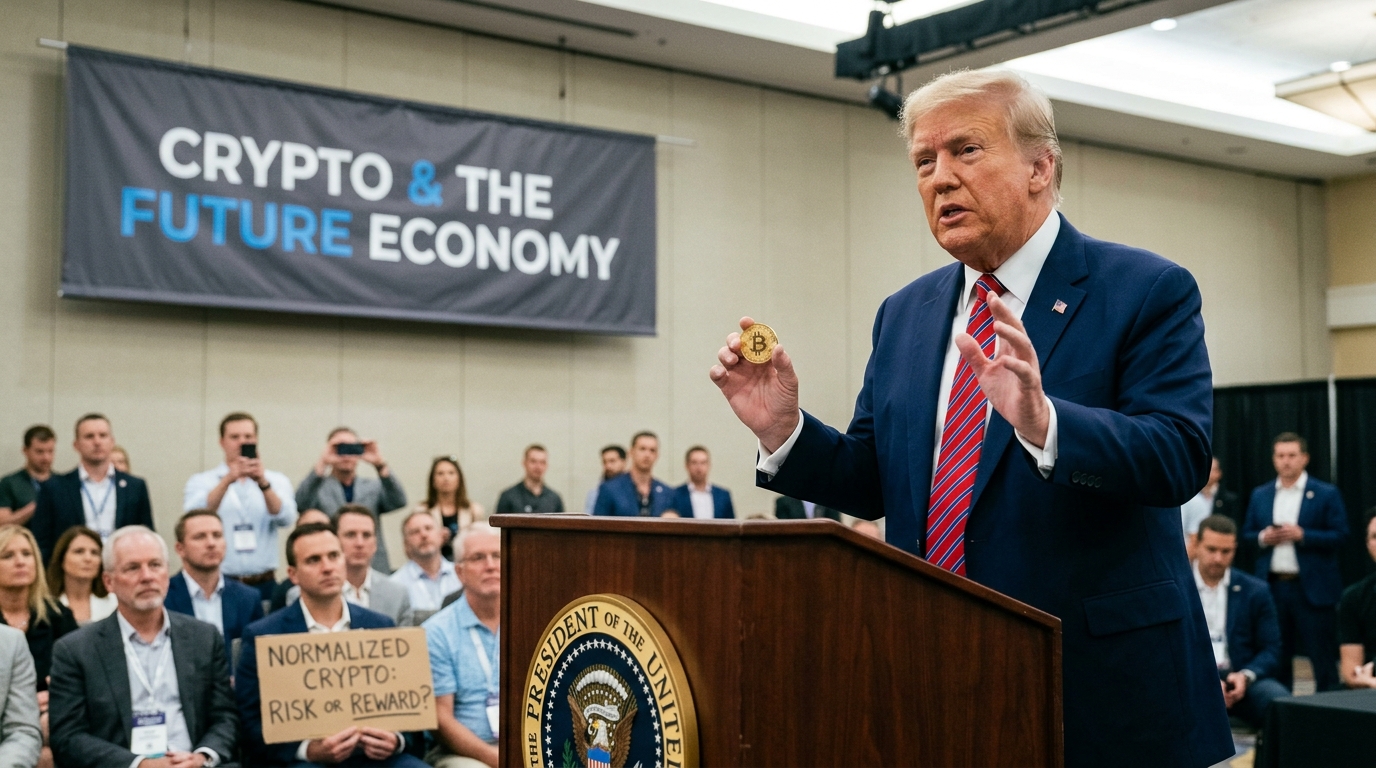
Trump Has Normalized Crypto. Is it the Path to the Next Financial Collapse?
The shift is undeniable. Over the past year, the Trump administration has completely pulled cryptocurrency out of the regulatory doghouse and placed it directly into the plumbing of the U.S. financial system.
With the creation of the Strategic Bitcoin Reserve, the passage of the GENIUS Act, and the Financial Stability Oversight Council (FSOC) officially removing crypto from its list of systemic threats, digital assets are no longer a speculative sideshow. They are normalized.
But normalizing a highly volatile, historically run-prone asset class introduces a massive question: Have we successfully tamed crypto, or have we just wired a new detonator into the global banking system?
The Path to Normalization
The institutionalization of crypto didn't happen by accident; it was a deliberate policy pivot designed to make the U.S. the "crypto capital of the planet". The administration enacted this through three structural pillars:
- The Government Stockpile: By turning seized digital assets into a permanent Strategic Bitcoin Reserve and Digital Asset Stockpile, the federal government gave crypto the ultimate stamp of sovereign legitimacy.
- The Banking Integration (GENIUS Act): Passed in mid-2025, this law effectively allows commercial banks and retail giants alike to issue their own private stablecoins pegged to the U.S. dollar.
- The Deregulation Wave: The SEC’s "Crypto 2.0" task force effectively halted the previous era of aggressive enforcement-by-lawsuit, lowering the barrier for traditional banks to offer digital asset custody.
The Optimistic View: Guardrails Over Bans
Proponents of this new framework argue that normalization is actually the antidote to financial instability. By bringing crypto inside the regulatory tent, the government forces it to play by institutional rules.
Under the GENIUS Act, stablecoin issuers are legally required to back their tokens 1:1 with highly liquid assets, primarily U.S. Treasuries. In theory, this creates a massive, structural wave of new demand for American debt, helping Washington finance its deficits while keeping the U.S. dollar firmly dominant in global digital commerce. From this perspective, crypto isn't a threat to the financial system—it is actively reinforcing it.
The Warning Signs: How a Collapse Could Be Wired
Mainstream economists and risk analysts view this integration with deep anxiety. The core worry is that instead of making crypto look more like traditional finance, we have made traditional finance vulnerable to the structural flaws of crypto.
The biggest vulnerability isn't Bitcoin's price swings—it is the hidden plumbing of stablecoins.
1. The Threat of Private Money Runs
By letting hundreds of private entities issue their own stablecoins, the payment system is rapidly fragmenting. If a major stablecoin—such as the highly concentrated, Trump-linked USD1—experiences a crisis of confidence, users will panic-redeem their tokens for cash all at once.
2. The U.S. Treasury Liquidation Trap
Because these private stablecoin issuers hold billions in short-term U.S. Treasuries as backing, a massive run forces them to instantly liquidate those holdings. If an issuer is forced to dump tens of billions in Treasuries onto a stressed or illiquid market, it could cause Treasury prices to collapse, forcing interest rates to spike overnight and destabilizing the broader banking system.
3. Draining Traditional Banks
As high-yielding, corporate-backed stablecoins become more popular and convenient, they naturally pull deposits away from traditional community banks. This reduces standard bank lending to the real economy, squeezing local businesses while concentrating risk inside less-regulated shadow-banking vehicles.
The Ultimate High-Stakes Experiment
The normalization of crypto has created a double-edged sword. On one side, it provides the clarity, legal framework, and institutional guardrails that the digital asset industry has fought for over a decade. On the other, it has plugged a historically volatile ecosystem directly into the primary ledger of global finance.
If the reserve requirements hold strong and market liquidity remains deep, this could mark the beginning of a hyper-efficient digital financial era. But if a major algorithmic or liquidity failure hits a systemically integrated stablecoin, the next financial crisis won't start on Wall Street or in subprime housing—it will start on the blockchain, and the fallout will be felt by every traditional bank account in the country.
Given how tightly private stablecoin reserves are now linked to the U.S. Treasury market, do you think the next major systemic risk will present itself as a traditional bank run or as a sudden liquidity crisis in the sovereign debt markets themselves?